

For a first trip to Thailand combining cities, temples, nature, and a few days at the beach, November to February is generally the best compromise. However, the ideal time to visit also depends on the region: the Andaman coast, the islands in the Gulf, Bangkok, the North, and the East of the country don't always follow the same rhythm.
The idea behind this page is simple : to help you choose your travel period by taking into account the seasons, the regions you wish to discover and the activities planned.
Here, I stick to a practical approach, to understand the differences between the dry season, the hot season and the rainy season, and to know in which cases to adapt your dates.
To add to that, if you want more information about the climate of Thailand , there are several websites that deal with the subject in more detail.
Have you already set your travel month? Use my weather tool to identify the regions and islands to favor at that time, then refine your destinations according to your desires: beach, culture or nature.
The 3 seasons in Thailand
In Thailand, three seasons are generally distinguished. In reality, one could mainly speak of two main periods — the dry season and the rainy season — but the hot period is sufficiently distinct to be treated separately.
- From November to February: the cool season
This is the most pleasant time of year in much of the country: less humid air, often clearer skies, and milder temperatures. In the north, nights can even be cool at higher altitudes. It's also the peak tourist season, with more people and often higher prices. - From March to May: the hot season
The dry season continues, but the heat is definitely on the rise. April is often the most challenging month, with temperatures reaching nearly 38–40°C in some areas. While still manageable, especially in the South, it becomes more tiring for city visits, exploring open-air temples, and traveling through Central Vietnam or Isan. - From May to October: the rainy season
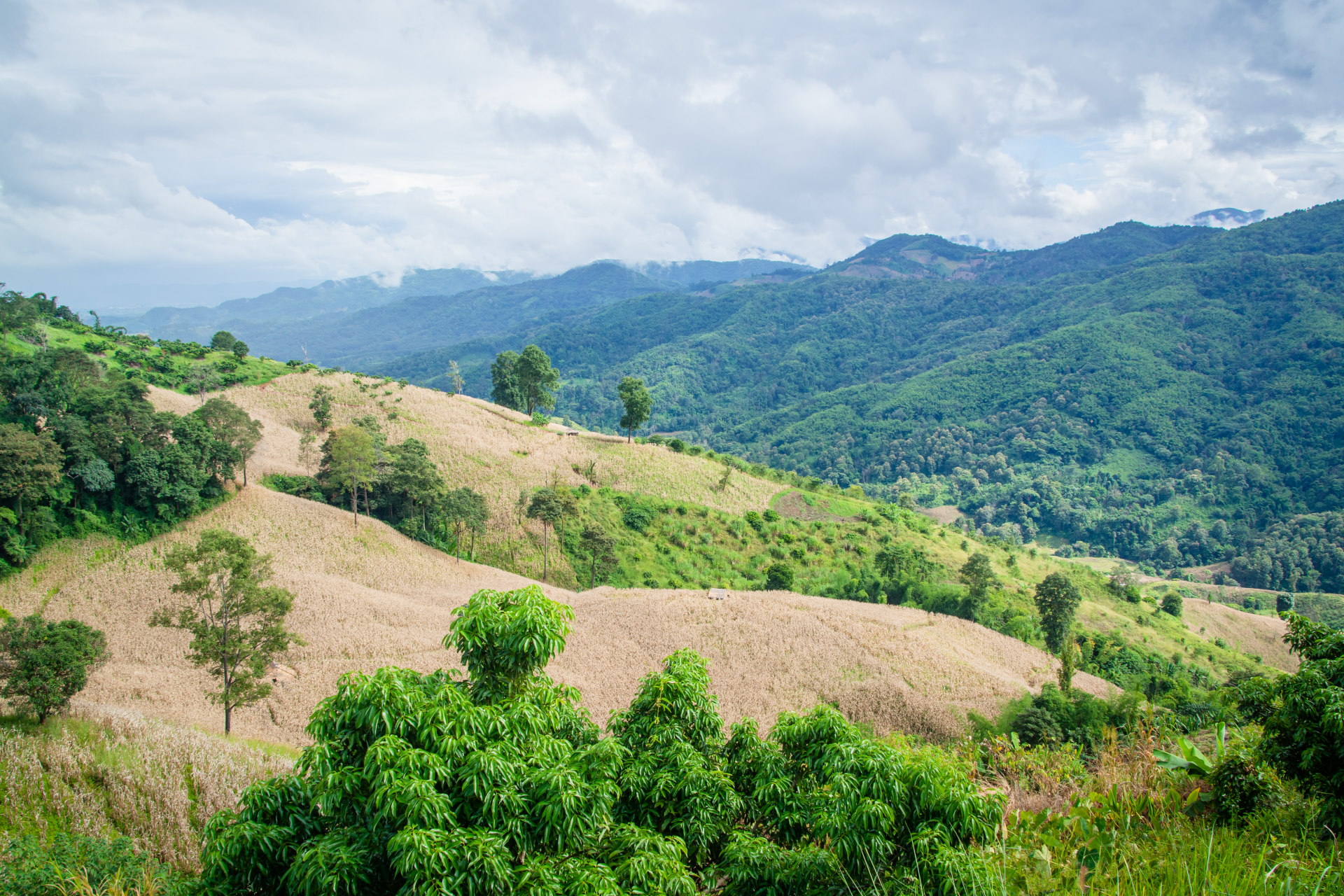
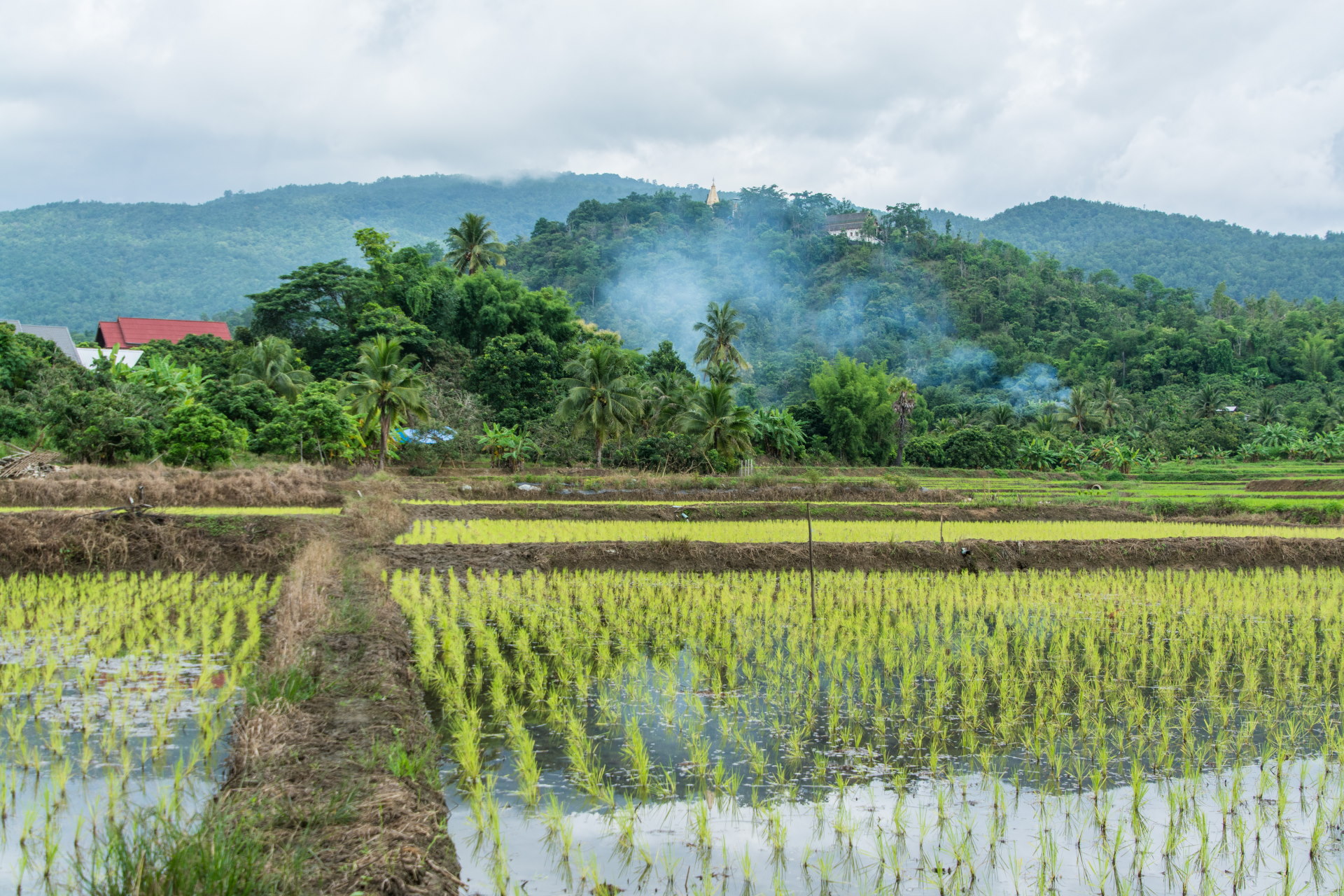
Sudden thunderstorms, sometimes heavy downpours, changeable skies… but it doesn't rain all day. This period also has its advantages: greener landscapes, stunning rice paddies, well-fed waterfalls, a calmer atmosphere, and sometimes better prices. Above all, it requires more flexibility, especially for beaches and boat trips.

Key takeaway: the transitions happen gradually. November often marks the end of the rainy season, February already signals the rise in heat, and the monsoon generally begins in May. That's why it's better to consider each region individually rather than using a single rule that applies to the entire country.
Why does the weather vary so much from region to region?
Thailand sometimes gives the impression of having a simple, easily summarized weather pattern: dry season on one side, rainy season on the other. In reality, it's more nuanced. The country stretches over 1,500 km from north to south, encompassing mountains, plains, two coastlines, and islands that are not exposed to the same winds.
That's why a month can be very favorable in one region, but much less so in another. In August, for example, the islands in the Gulf like Ko Samui, Ko Phangan or Ko Tao are often more logical choices than Phuket or Krabi.
Conversely, in November, the Andaman coast becomes interesting again, while Samui and its neighbors can still get plenty of rain.
Which region(s) should be prioritized depending on the time of year in Thailand?
In summary, the geographical areas can be divided as follows:
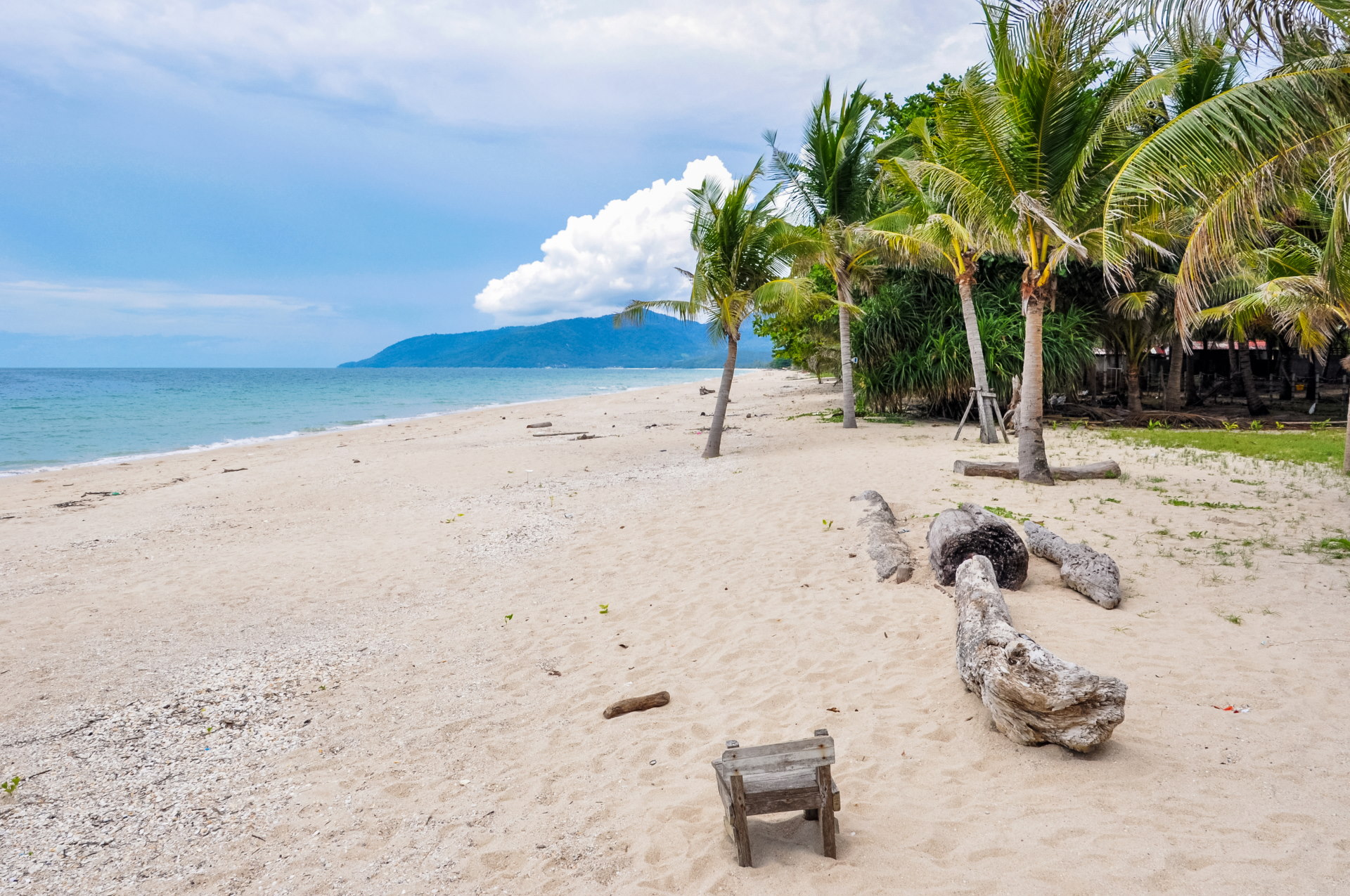
- Andaman Coast: Phuket, Krabi, Ko Lanta, Ko Phi Phi, Khao Lak
This is generally the preferred area of November to April for beaches, boat trips and classic seaside holidays. From May to October, the weather becomes more unstable, with sometimes rough seas. - Gulf Islands: Ko Samui, Ko Phangan, Ko Tao
They follow a different logic than the Andaman. They are often more interesting because February to SeptemberThis makes it a good alternative during part of the rainy season elsewhere in the country. November and December, however, require some qualification. - Eastern Gulf: Ko Chang, Ko Mak, Ko Kood
The eastern islands, around Trat, are particularly worth considering. November to AprilIn summer, the area can be very humid, especially between June and September. October is also a transitional month that should be approached with caution. - Northern and inland areas: Chiang Mai, Chiang Rai, Nan, Mae Hong Son
The cool season, of November to JanuaryThis is often the most pleasant time to visit. Between February and April, one must consider the heat, but also the risk of wildfires and air quality. The green season, from May to October, can be visually stunning, with more lush landscapes. - Bangkok, Central Thailand and Isan
These regions can be visited almost all year round, but with nuances: strong heat from March to May, possible rains in the wet season, and sometimes more tiring visits to open-air sites such as Ayutthaya, Sukhothai, Phimai or Phanom Rung.
In practice: it's better to think in terms of large areas rather than trying to find a weather rule that applies to all of Thailand. This is also why an itinerary might make perfect sense in August in one region, but much less so in another.
Which island should you choose depending on the time of year?
For the islands, the simplest approach is to think in terms of broad travel windows. Not all islands are exposed to the same rainfall, and some are more suitable than others depending on the month.
- From November to April: Andaman coast and eastern islands
This is the most reliable period for Phuket, KrabiKo Lanta, Ko Phi Phi, Khao Lak or Ko LipeIt's also a good window for Ko chang, Ko Mak, Ko Kood, especially if you are looking for a quieter atmosphere. - From February to September: Ko Samui, Ko Phangan and Ko Tao
The islands in the Gulf often become the best compromise, especially for a trip to July, August or early SeptemberThis is not a guarantee of constant sunshine, but it is often more sensible than betting on the Andaman in the middle of summer. - For a getaway near Bangkok: Ko samet and Pattaya
These options follow a different logic: less of a “grand paradise island trip”, more beach break with easy accessKo Samet is well suited for a few days by the sea, while Pattaya remains mainly a practical option from the capital.
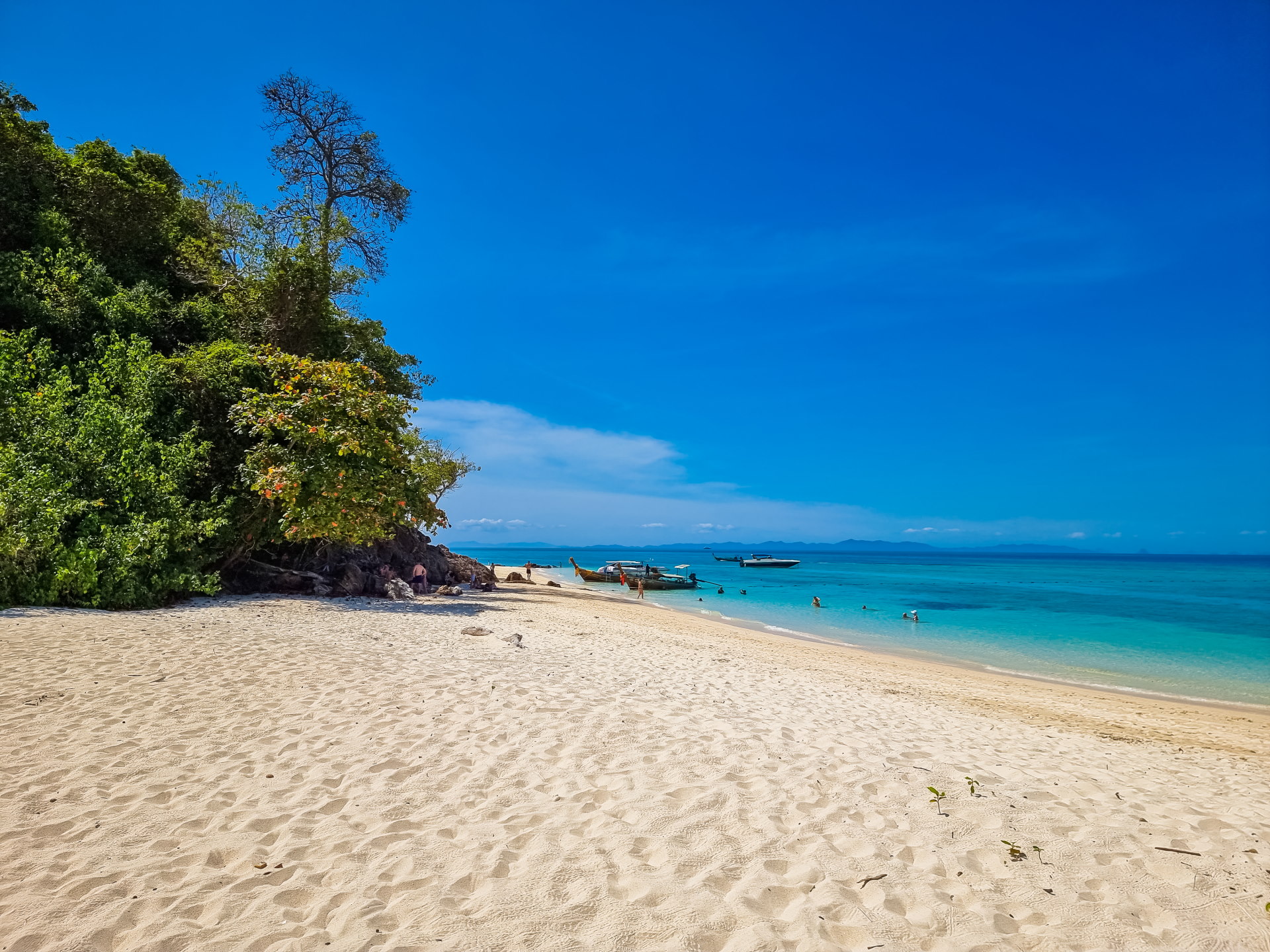

Key takeaway: if the beach is a priority on your trip, choose your island based on the season rather than randomly selecting a destination. This often makes the difference between a successful beach holiday and a few days spent waiting for the weather to clear.
Should you avoid the rainy season in Thailand?
No, not necessarily. The rainy season isn't automatically a bad time to travel in Thailand. It mainly requires choosing your regions more carefully and maintaining some flexibility in your itinerary.
Contrary to popular belief, it doesn't rain every day for weeks on end. Generally speaking, the downpours can certainly be heavy and even impressive, but they are often concentrated in one part of the day.
On the other hand, the weather can make things unpredictable, especially for activities at sea or journeys to certain islands.
The advantages of the rainy season
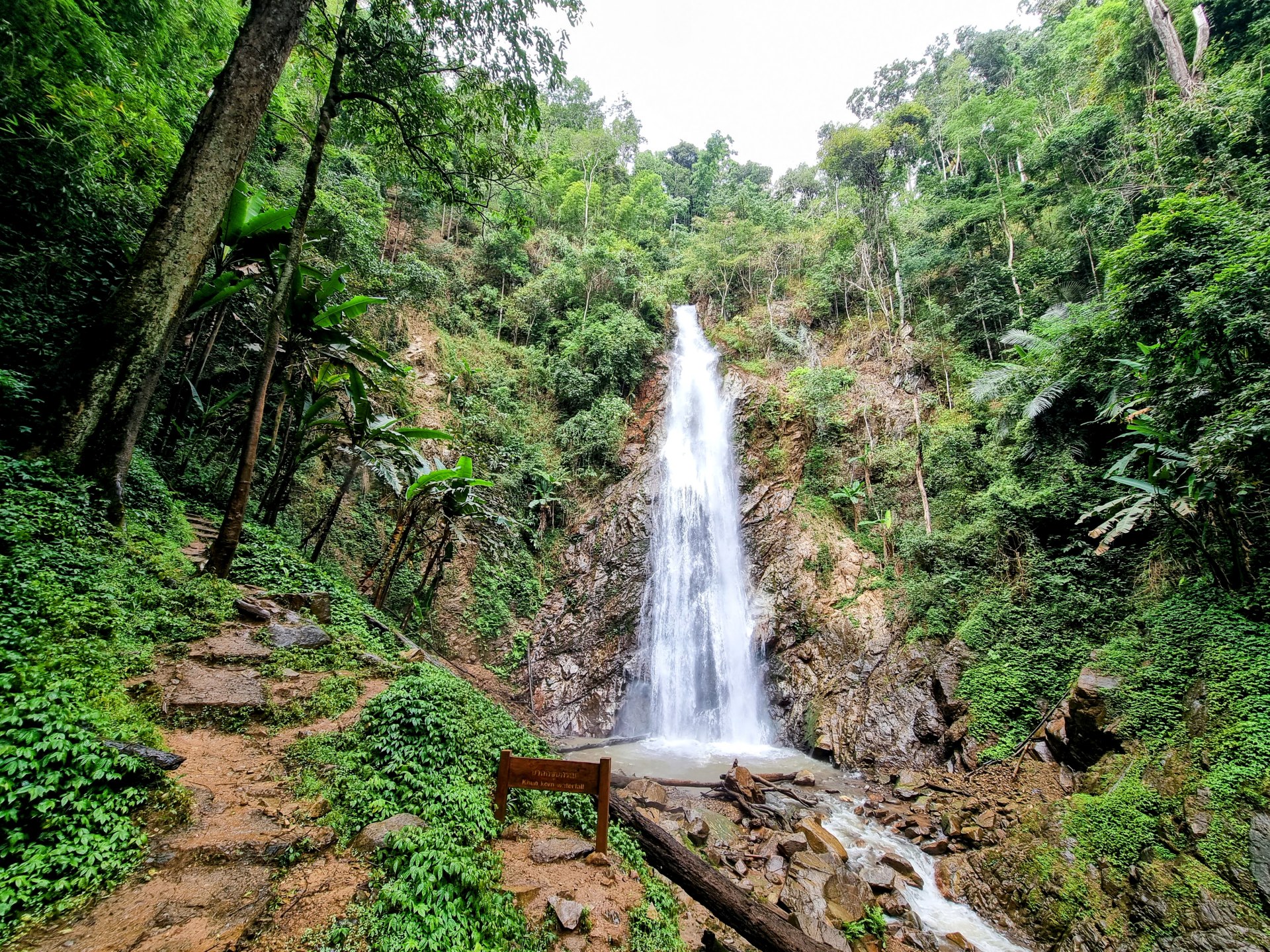
This period has its advantages: the landscapes are greener, the rice paddies are more numerous and more beautiful, the waterfalls are more abundant, and some destinations are much quieter than in peak season. Prices can also be more attractive, especially for accommodations.
The months in question vary considerably and do not all present the same degree of unpleasantness. While May is generally gloomy across the country, June and July, for example, are generally more pleasant. The only truly wet period with persistent gray skies for most of the country is around September/October, and until December for the Gulf of Thailand.
Limits to keep in mind
The rainy season is obviously less suitable if you want a trip focused on beaches, snorkeling, diving, or boat trips with reliable weather. This is especially true in the Andaman Islands and the eastern islands during the peak of the wet season.
On the other hand, for a trip combining cities, nature, temples, cuisine, markets and a few well-chosen beach days, it can hold its own very well, especially since each month will have more or less an area spared.
Periods to know before booking
Beyond the peak seasons, certain periods deserve special attention before booking a trip to Thailand.
The burning of trees in the North
Between February and April, Northern Thailand can be affected by slash-and-burn agriculture and poor air quality. The situation varies from year to year, but March is often the most problematic month. If you are sensitive to pollution or are traveling with children, it's best to take this into account before planning a trip around Chiang Mai, Chiang Rai, or Nan during this period.

Songkran in April
Songkran, the Thai New Year , takes place around mid-April. It is a festive and very special time to experience, but it can also complicate travel a bit: busier transport, higher demand for accommodation, heavy traffic in some areas.
April is also the hottest month of the year . This is something to keep in mind if you plan a lot of walking, visits to open-air temples, or stops in Central Vietnam and Isan.

Loy Krathong
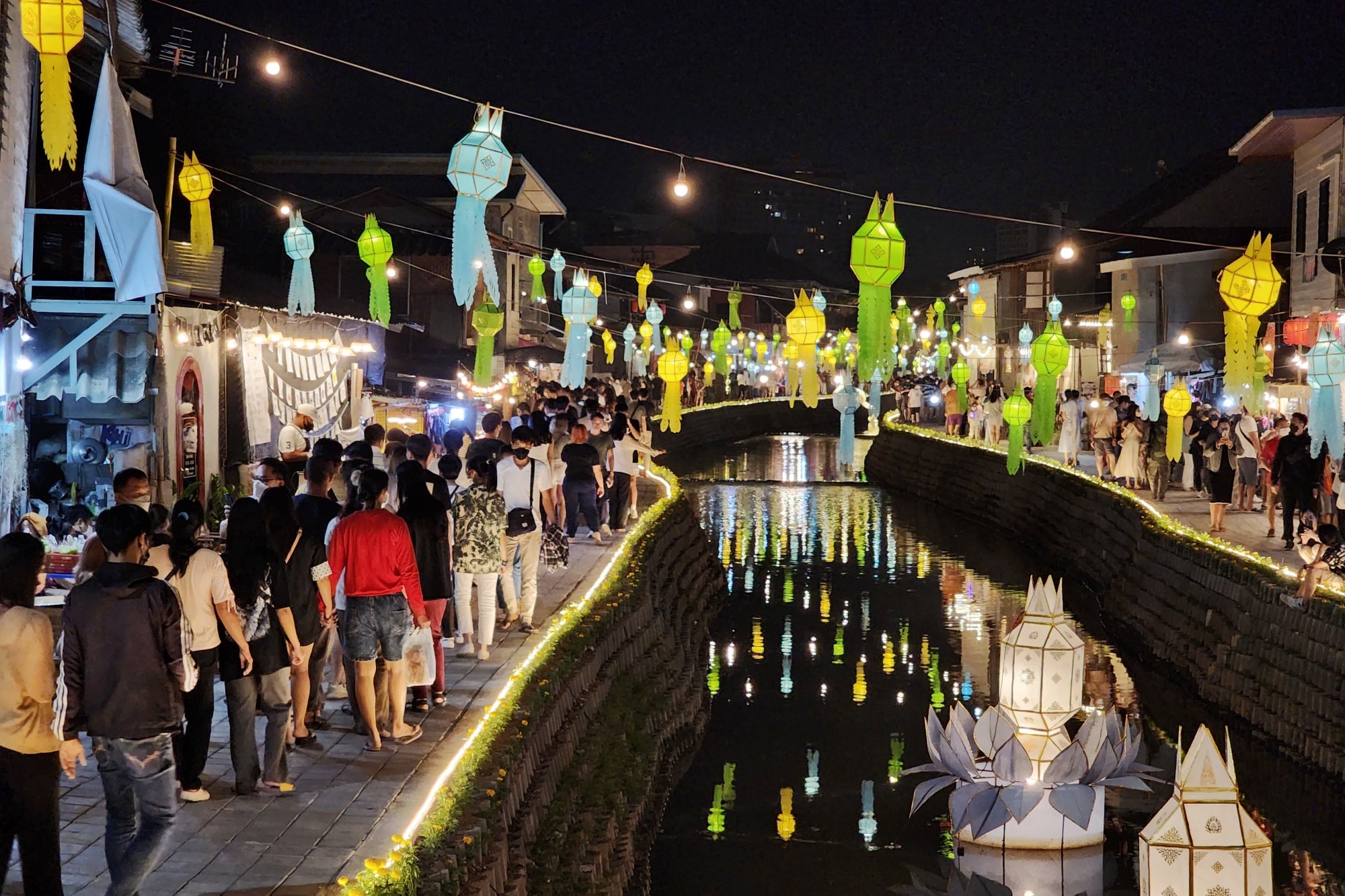
A renowned festival falling in November (the exact dates change as they depend on the lunar calendar: see the information on my dedicated article ), it is also a period that can be busy in transport and hotels, it is better to anticipate.
In the north, this festival coincides with the lantern festival, Yi Peng, bringing a special dimension to this important festival.
Seasonal closures of some marine parks
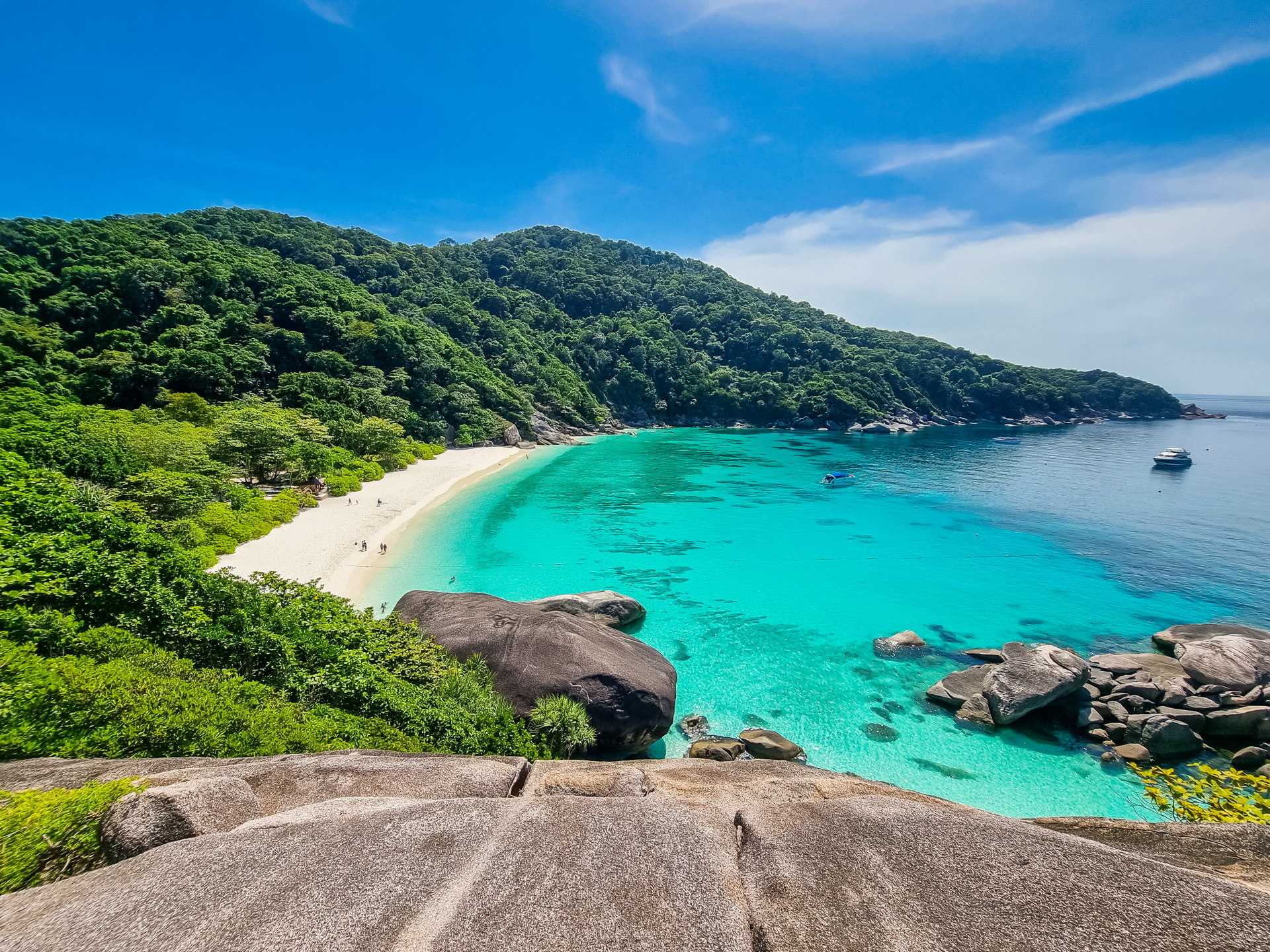
Some marine parks close for part of the wet season, primarily to protect the sites and mitigate risks associated with rough seas. The Similan and Surin Islands are generally affected for part of the year.
Maya Bay, on Ko Phi Phi , may also experience seasonal closures. Dates can vary, so it's always best to check before booking a tour solely for this type of visit.
Weather in Thailand, an imprecise science
I want to put things into perspective regarding all this information, which remains indicative and should be taken with a grain of salt. It is based on my experience in the country, which is necessarily more or less extensive depending on the region, but also on the major climatic trends observed in Thailand.
The weather remains difficult to predict with certainty , especially in recent years where the seasons sometimes seem less clear: a monsoon that lingers, a dry season that starts later, showers outside the usual period… In short, we must keep a margin of flexibility.
Weather is often a major concern when planning a trip: we all dream of good weather to make the most of our holidays. But the idea behind this page is also to show that each period has its advantages and limitations , and to put the infamous "rainy season" into perspective.
Traveling to Thailand during the rainy season isn't the end of the world. This factor alone shouldn't necessarily rule out the country. The key is to adapt your itinerary, avoid the least favorable areas if your priority is the beach, and remain flexible regarding activities dependent on the sea or the weather.
In summary, don't just look for the "best season" on paper: look above all for the period that best suits your itinerary, your way of traveling and the regions you want to discover.